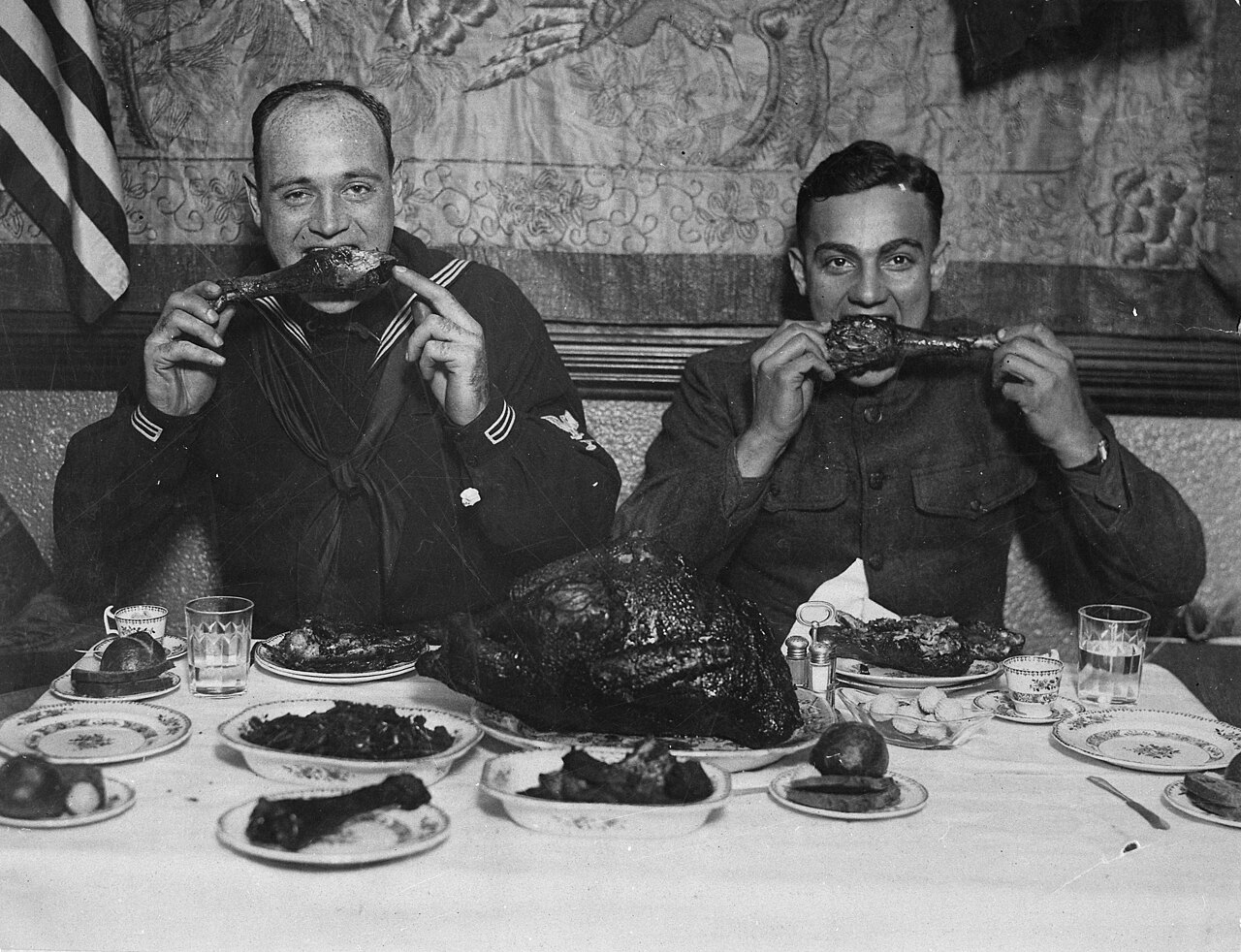
From the heart of ancient Mesoamerican civilizations to the festive tables of modern holiday gatherings, the journey of roast turkey is a tale as rich and complex as its savory flavor. More than just a meal, this iconic bird has woven itself into the fabric of cultures, symbolizing abundance, celebration, and togetherness. While today we associate the succulent aroma of oven-roasted turkey with Thanksgiving and Christmas feasts, its story began millennia ago, far removed from the bustling kitchens and grand dining rooms we know. Let's peel back the layers of history and discover the untold saga of how a wild fowl became the undisputed centerpiece of our most cherished culinary traditions.
The Ancient Roots: Turkey's Mesoamerican Origins
The earliest chapters of the roast turkey narrative are not written in European cookbooks, but etched into the archaeological records of ancient Mexico. Approximately 2,000 years ago, indigenous peoples in Mesoamerica, particularly within present-day Mexico, undertook the profound act of domesticating the wild turkey (Meleagris gallopavo). This wasn't a singular event but a complex process, confirmed by scientific analyses. Archaeological sites in Oaxaca, for instance, have yielded invaluable turkey remains intimately linked with human settlements and ritual offerings, painting a picture of a creature deeply integrated into early societies. Further scientific scrutiny, specifically through the analysis of ancient mitochondrial DNA from dozens of turkey bones across various Mexican sites, has confirmed at least two independent domestication events in pre-Columbian America. This points to sophisticated managed breeding and feeding practices by Native American groups who recognized the immense value of this distinctive bird. These early domesticated turkeys were not just a source of food; their meat, eggs, and iridescent feathers were integral to the daily and ceremonial life of cultures like the Maya and Aztecs. For these civilizations, the turkey likely held cultural or spiritual significance beyond its practical uses, perhaps even featuring in their mythology or as symbols of prosperity and fertility.Across the Atlantic: How Turkey Conquered Europe
The encounter between the Old World and the New in the early 16th century marked a pivotal moment in the turkey's journey. Following the arrival of Spanish explorers in the Americas, live turkeys were among the exotic novelties transported back to Europe. The first specimens are believed to have arrived in Spain from Mexico around 1519, initially serving as curiosities for the elite rather than a common culinary ingredient. However, the bird's adaptability and appealing meat quickly propelled its spread. By the 1520s, the turkey had rapidly disseminated across the European continent, reaching England and inspiring initial culinary adaptations. European cooks, already adept at roasting other large poultry like peacocks or geese, applied similar methods to this new, exciting bird. Spanish chroniclers meticulously documented the transport of live turkeys alongside other New World goods, facilitating their swift integration into European diets and agricultural practices within a mere few decades. Early European preparations often involved techniques adapted from local traditions, such as seasoning with readily available herbs like sage, thyme, and rosemary, and employing slow cooking methods to mimic the rich, savory flavors of familiar game birds. The formal embrace of turkey into European cuisine is evidenced by its appearance in some of the earliest printed cookbooks. Bartolomeo Scappi's monumental Italian text, Opera, published in 1570, offered detailed instructions for preparing the bird. Scappi's guidance included meticulous steps from plucking and washing to roasting the whole turkey on a spit over an open fire, a technique designed to achieve that coveted crispy skin and tender, juicy meat. In England, by the late 16th century, turkeys were commonly roasted using these continental-influenced styles, often spit-roasted over open flames in hearth-based kitchens for several hours, depending on the bird's size, ensuring even cooking and maximum flavor development.An American Icon: The Rise of the Thanksgiving Roast Turkey
While the turkey found a home in European kitchens, its destiny as a quintessential holiday centerpiece was truly solidified in the United States. The association of roast turkey with American Thanksgiving gained significant prominence throughout the 19th century, particularly from the 1860s onward. This period saw concerted efforts to establish Thanksgiving as a unifying national tradition, and the turkey, with its impressive size and symbolic generosity, naturally fit the role of the celebratory feast's star. Figures like Sarah Josepha Hale, a tireless advocate for the nationalization of Thanksgiving, played a crucial role in popularizing many of the holiday's enduring customs, including the grand turkey dinner. Nothing quite encapsulates the spirit of Thanksgiving like a perfectly roasted turkey, a scene often conjured in idyllic imagery reminiscent of a Norman Rockwell painting. It became a powerful symbol of abundance, gratitude, and family togetherness. Today, the tradition of a grand, oven-roasted turkey at Thanksgiving and Christmas is deeply ingrained in American and many other Western cultures. However, the allure of roast turkey extends beyond just these holidays. Modern culinary ingenuity has made it adaptable for everyday meals, offering a spectrum of preparations from aromatic herb rubs and flavor injections to faster alternatives like deep-frying. Yet, despite these innovations, the classic oven-roasted turkey remains the most cherished and traditional approach, its simple elegance continuing to reign supreme. For those curious about the turkey's evolution from a holiday staple to a versatile protein, explore our article: Roast Turkey Unpacked: From Holiday Tradition to Everyday Culinary Delight.Mastering the Modern Roast: Tips for a Simply Perfect Bird
Achieving a simply perfect roast turkey that lives up to those "grandma used to make" standards requires a blend of tradition, technique, and a little bit of culinary courage. While recipes abound, some core principles remain consistent for a truly juicy and flavorful bird.Key Steps for a Delicious Roast Turkey:
- Choose Wisely: Opt for a fresh, heritage-breed turkey if possible, as they often boast superior flavor and texture. For frozen birds, ensure ample time for thawing in the refrigerator – typically 24 hours for every 4-5 pounds.
- Brine or Not to Brine? A wet or dry brine is often the secret to a consistently moist turkey. A wet brine submerges the bird in a saltwater solution, while a dry brine (simply rubbing salt and herbs over the skin) enhances flavor and helps crisp the skin.
- Season Generously: Don't be shy with salt and freshly cracked black pepper. Many chefs advocate for seasoning beneath the skin, directly on the breast meat, for maximum flavor. Aromatic herbs like sage, thyme, and rosemary, along with citrus halves and onions, placed inside the cavity contribute significantly to the overall taste profile.
- To Stuff or Not to Stuff: Stuffing a turkey is a classic choice, infusing the bread mixture with turkey drippings. However, for food safety and more even cooking, many prefer to bake stuffing separately. If you do stuff, ensure the stuffing reaches a safe internal temperature of 165°F (74°C).
- Temperature Control is King: Roast the turkey at an initial high temperature (e.g., 425°F/220°C) for a short period to crisp the skin, then reduce to a lower temperature (e.g., 325°F/160°C) for the duration. Using a reliable meat thermometer is crucial; the deepest part of the thigh should reach 170-175°F (77-79°C) and the breast 160-165°F (71-74°C).
- Basting vs. No Basting: While often romanticized, frequent basting can actually drop the oven temperature and prolong cooking. Many experts suggest simply adding liquid (like turkey stock or wine) to the bottom of the roasting pan, allowing the bird to self-baste through steam.
- The Critical Rest: Once cooked, never skip resting the turkey. Loosely tent it with foil for at least 20-30 minutes (or even up to an hour for larger birds). This allows the juices to redistribute throughout the meat, ensuring every slice is incredibly moist and tender.
From Ina Garten's "Perfect Roast Turkey Recipe" to the "Best Oven-Roasted Turkey Recipe" from Delish, the goal is always the same: a tender, juicy bird with a beautiful, golden-brown skin. For an in-depth dive into achieving that legendary holiday flavor, check out our guide: Perfect Roast Turkey: Grandma's Secrets for a Juicy, Flavorful Bird.
The story of roast turkey is a testament to its remarkable journey from a wild bird of Mesoamerica to a global culinary icon. It's a narrative of ancient domestication, cross-continental travel, and the evolution of culinary traditions that culminated in its cherished status today. Whether it graces your holiday table as a grand centerpiece or offers a comforting meal on an ordinary day, the roast turkey carries with it centuries of history, culture, and the universal joy of shared food. It is more than just a dish; it is a tradition, a symbol, and a truly delicious testament to the power of food to connect us across time and continents.
