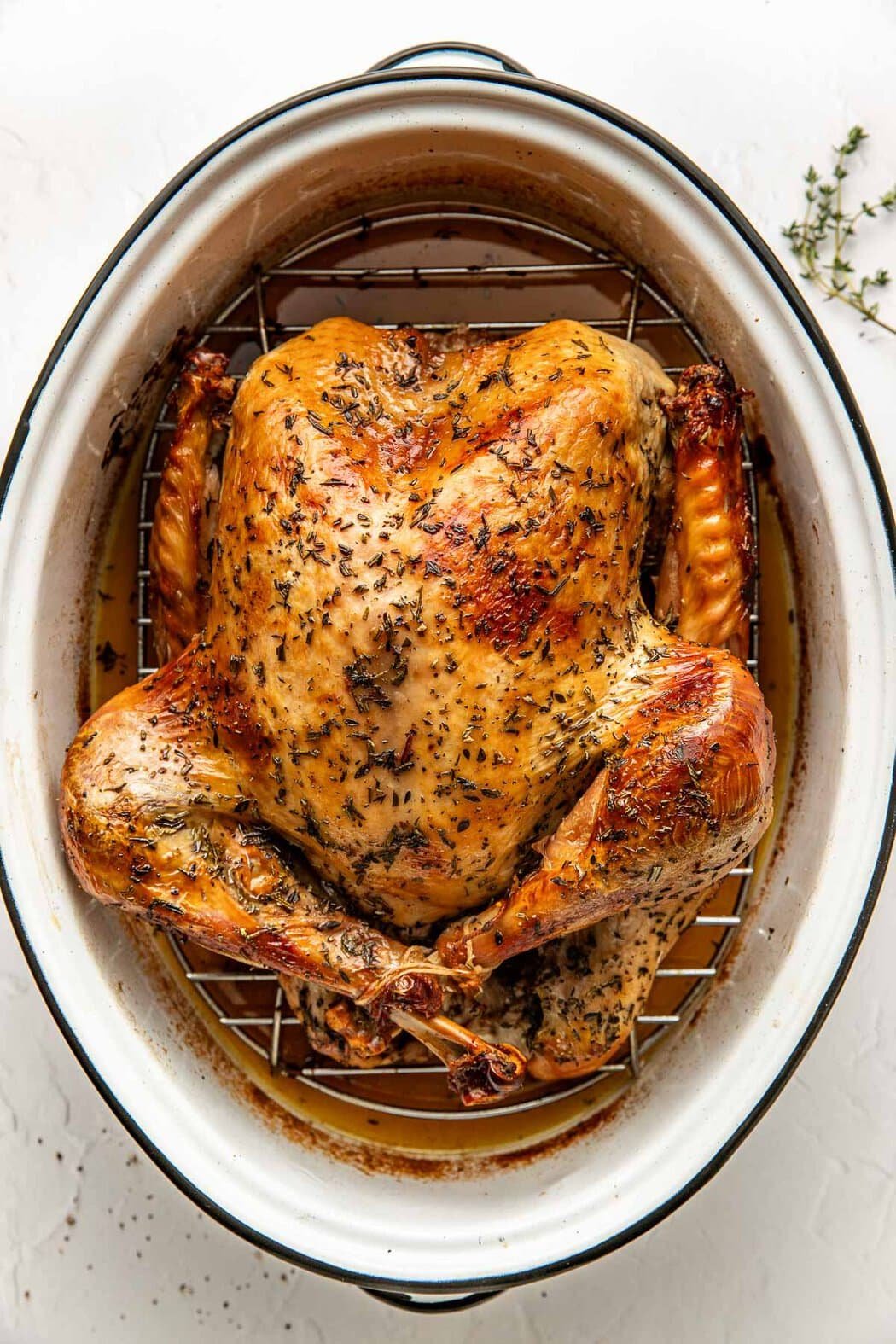
Roast Turkey Unpacked: From Holiday Tradition to Everyday Culinary Delight
Few dishes evoke a sense of warmth, family, and celebration quite like
roast turkey. A majestic centerpiece often gracing tables during Thanksgiving, Christmas, and other special occasions, its golden-brown skin, succulent meat, and aromatic presence are synonymous with festive gatherings across the Western world. But the story of roast turkey is far richer and more complex than just a holiday tradition; it's a culinary journey spanning continents and centuries, and one that is increasingly adaptable for everyday enjoyment. Let's delve into the fascinating history, enduring appeal, and practical tips for mastering this iconic dish.
A Journey Through Time: The Ancient Roots and Global Spread of Roast Turkey
The narrative of the turkey begins not in the kitchens of Europe, but in the vibrant landscapes of ancient Mesoamerica. Approximately 2,000 years ago, indigenous peoples in Mexico successfully domesticated the wild turkey (
Meleagris gallopavo), transforming it from a wild fowl into a valuable resource. Archaeological findings, particularly from sites in Oaxaca, reveal evidence of turkeys integrated into human settlements, valued for their meat, eggs, and ceremonial feathers. Analysis of ancient mitochondrial DNA from various Mexican sites confirms at least two independent domestication events, indicating sophisticated breeding and feeding practices by Native American groups like the Maya and Aztecs. These early domesticated turkeys were central to both daily life and profound ritual offerings.
The arrival of Spanish explorers in the Americas in the early 16th century marked a pivotal moment for the turkey. Around 1519, the first specimens were transported from Mexico to Spain, initially serving as exotic novelties for the European elite. However, their culinary potential was quickly recognized. By the 1520s, the bird had rapidly spread across the continent, reaching England and inspiring initial culinary adaptations. European cooks, accustomed to roasting similar large poultry like peacocks and geese, applied existing methods to this new, impressive bird. Spanish chroniclers documented the widespread transport of live turkeys, facilitating their swift integration into European diets and farms within decades. Early European preparations often involved slow cooking and seasoning with local herbs, mirroring techniques used for familiar game birds. Iconic cookbooks, such as Bartolomeo Scappi’s 1570 Italian text
Opera, provided detailed instructions for preparing and spit-roasting the bird whole over an open fire, aiming for that perfect balance of crispy skin and tender meat. In England, by the late 16th century, similar hearth-based spit-roasting methods ensured even cooking over several hours, depending on the bird's size.
It wasn't until the 19th century that
roast turkey truly cemented its place as the centerpiece of American Thanksgiving. From the 1860s onward, figures like Sarah Josepha Hale, a tireless advocate for the establishment of Thanksgiving as a national holiday, played a crucial role in popularizing the image of a bountiful turkey dinner as intrinsic to the celebration. This historical journey underscores turkey's remarkable evolution from ancient ritual animal to a global culinary staple. For a deeper dive into this fascinating history, consider reading
The Untold Story of Roast Turkey: From Ancient Rites to Holiday Feasts.
The Enduring Allure: Roast Turkey as a Holiday Centerpiece
The image of a golden-brown
roast turkey, carved at the head of a festive table, remains one of the most powerful and comforting symbols of holiday dining. In the United States, it’s virtually inseparable from Thanksgiving, while in the UK and many other Western countries, it’s the star of Christmas dinner. This strong association isn't merely about tradition; it's deeply rooted in the sensory experience. The rich aroma filling the home, the impressive visual presentation of a whole bird, and the anticipation of its juicy, flavorful meat create an indelible memory.
Families often have their own cherished rituals: the carefully chosen seasonings, the debate over stuffing (or dressing), and the collective admiration as the perfectly cooked bird emerges from the oven. Whether it's a simple salt and pepper rub, an elaborate herb butter massage, or a savory breadcrumb and sausage stuffing, these preparations contribute to the unique character of each holiday feast. The act of carving the turkey is itself a ritual, a moment of shared bounty that reinforces the spirit of togetherness. While the sheer size of a whole turkey might seem daunting, its ability to feed a large gathering with delicious leftovers is part of its magic, making it a truly communal dish that binds generations around the holiday table.
Beyond the Festive Table: Roast Turkey for Everyday Culinary Delight
While its holiday status is undeniable, the perception of
roast turkey is evolving. Modern culinary trends and busy lifestyles are increasingly demonstrating its adaptability as an everyday culinary delight. The idea that a whole turkey is exclusively for large gatherings is being challenged by creative cooks and smaller households.
One key to enjoying turkey more frequently lies in exploring different preparations beyond the traditional whole-oven roast. Options like oven-roasted turkey breasts, thighs, or drumsticks offer the same great flavor in more manageable portions. Furthermore, contemporary techniques have broadened the culinary horizons for turkey:
*
Herb Rubs and Brines: Simple yet effective, these infuse flavor and moisture, transforming a weeknight turkey cut into something special. Dry brining with salt and herbs can dramatically improve tenderness and seasoning.
*
Injections: Flavorful liquids injected directly into the meat can keep it incredibly moist and introduce bold flavors.
*
Deep-Frying: While less traditional, deep-frying yields an incredibly crispy skin and unbelievably juicy meat, offering a fast and delicious alternative for those with the right equipment and safety precautions.
*
Spatchcocking: Butterflying the turkey by removing its backbone allows it to cook more evenly and quickly, resulting in crispy skin all over.
Moreover, the versatility of cooked turkey extends far beyond the initial meal. Leftover turkey is a culinary goldmine, easily repurposed into a multitude of dishes: think hearty sandwiches, vibrant salads, comforting soups and stews, flavorful tacos, or even a quick pasta sauce. This embrace of flexibility means that the deliciousness of roast turkey can be a regular fixture in your meal rotation, not just an annual indulgence.
Mastering the Art of Roast Turkey: Essential Tips for Success
Achieving that "perfect"
roast turkey – one with impossibly crispy skin and incredibly juicy meat – is a culinary ambition for many home cooks. While the task might seem intimidating, it's entirely achievable with a few key techniques and a dash of patience. Many cherished family recipes, often passed down through generations, hold the secrets to a truly memorable bird. For those looking to recreate that nostalgic flavor, you might find inspiration in
Perfect Roast Turkey: Grandma's Secrets for a Juicy, Flavorful Bird.
Here are some essential tips to guide you on your journey to roasting perfection:
*
Choosing Your Bird: Opt for a fresh turkey if possible, as it often has a better texture. If using frozen, allow ample time for thawing in the refrigerator – typically 24 hours for every 4-5 pounds.
*
Brining is Key: Whether wet or dry, brining is your secret weapon for a juicy turkey.
*
Wet Brine: Submerge the turkey in a salt, sugar, and herb solution for 12-24 hours. This adds moisture deep into the meat.
*
Dry Brine: Rub the turkey generously with salt and seasonings, then refrigerate uncovered for 24-72 hours. This draws moisture from the skin for crispness while the salt penetrates the meat for flavor and tenderness.
*
Seasoning is Everything: Beyond salt and pepper, infuse flavor with aromatic herbs like rosemary, sage, and thyme, often combined with butter or olive oil rubbed under and over the skin. Consider tucking aromatics like halved onions, lemons, and garlic cloves into the cavity.
*
To Stuff or Not to Stuff: While traditional, stuffing a turkey can extend cooking time and pose food safety risks if the stuffing doesn't reach 165°F (74°C). For best results and safety, bake stuffing separately. If you do stuff, ensure it's loosely packed and monitor internal temperatures carefully.
*
Proper Roasting Temperature: Start with a higher temperature (e.g., 425°F/220°C) for the first 30-45 minutes to crisp the skin, then reduce to a lower temperature (e.g., 325°F/160°C) for the remainder of the cooking time.
*
Basting (or Not): While often traditional, frequent basting can cool the oven and prolong cooking. A better approach is to rely on brining for moisture and rub butter or oil on the skin for browning. If you must baste, do so sparingly.
*
Use a Meat Thermometer: This is non-negotiable for perfectly cooked turkey. Insert it into the thickest part of the thigh (without touching bone) and the thickest part of the breast. The turkey is done when both reach 165°F (74°C).
*
The All-Important Rest: Once cooked, transfer the turkey to a carving board, tent loosely with foil, and let it rest for at least 20-30 minutes (up to an hour for larger birds). This allows the juices to redistribute, resulting in a more tender and flavorful bird.
Conclusion
From its origins in ancient Mesoamerican ceremonies to its revered status on modern holiday tables, the
roast turkey has journeyed across cultures and centuries, continually evolving its role. While it remains the undisputed star of Thanksgiving and Christmas, its versatility and deliciousness are increasingly being embraced for everyday culinary adventures. By understanding its history, appreciating its cultural significance, and applying a few key roasting techniques, you can transform this iconic dish from a special occasion treat into a delightful and accessible meal any time of the year. So next time you're planning a meal, remember the humble turkey – a bird capable of delivering both grand celebration and simple, satisfying joy.