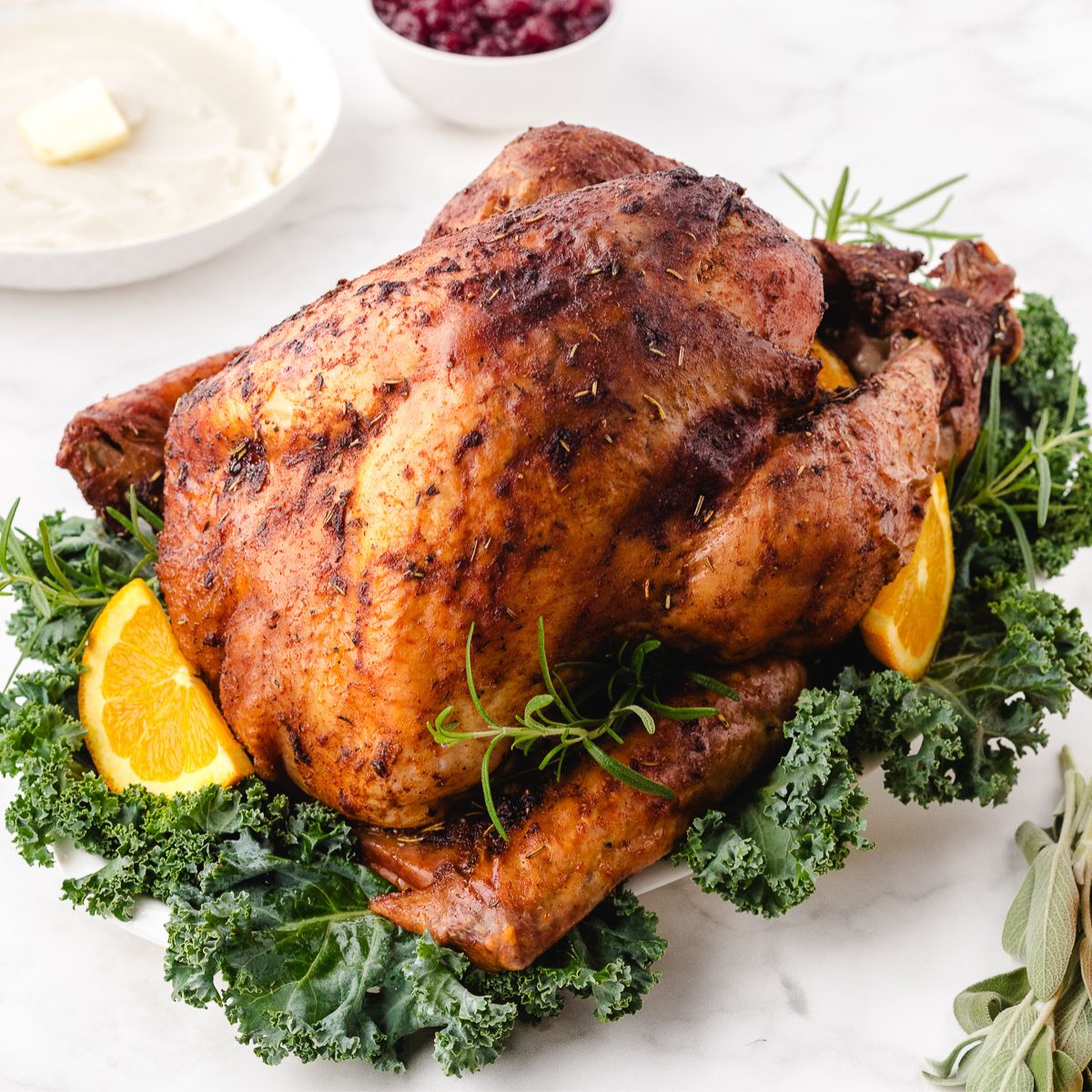
Perfect Roast Turkey: Grandma's Secrets for a Juicy, Flavorful Bird
There are few culinary experiences as universally comforting and deeply satisfying as a perfectly executed roast turkey. Its golden-brown skin, succulent meat, and aroma filling the home evoke memories of family gatherings, festive holidays, and the timeless wisdom passed down through generations. While a flawless roast turkey might seem like a daunting task, the truth is, the best results often come from simple, time-tested methods – what we like to call Grandma's secrets. Forget the overly complicated techniques; this guide will walk you through the essential steps to achieve a juicy, flavorful bird that will become the star of your table, whether it's Thanksgiving, Christmas, or just a special Sunday supper.
The Enduring Legacy of the Roast Turkey: More Than Just a Meal
Before we dive into the practical secrets, let's appreciate the rich history of the roast turkey. This iconic dish, a staple in Western cuisine, particularly for holiday celebrations like Thanksgiving in the United States and Christmas across the US, UK, and other Western nations, boasts a fascinating journey. Its origins trace back approximately 2,000 years to Mesoamerica, where indigenous peoples, especially in Mexico, domesticated the wild turkey (Meleagris gallopavo). Archaeological finds in places like Oaxaca confirm that these early domesticated turkeys were integral to daily and ceremonial life among cultures such as the Maya and Aztecs, valued for their meat, eggs, and decorative feathers.
When Spanish explorers arrived in the Americas in the early 16th century, turkeys were among the exotic novelties introduced to Europe. By the 1520s, the bird had rapidly spread across the continent, inspiring culinary adaptations that drew on existing roasting methods for similar poultry like peacocks or geese. Early European cookbooks, such as Bartolomeo Scappi's 1570 Italian text *Opera*, provided detailed instructions for preparing and roasting the bird whole on a spit to achieve crispy skin and tender meat. Fast forward to the 19th century, and the roast turkey cemented its association with American Thanksgiving, becoming a symbol of national unity and tradition, famously championed by figures like Sarah Josepha Hale. This deep historical and cultural resonance is why a perfectly roasted turkey isn't just a meal; it's a connection to heritage, a symbol of abundance, and a centerpiece for making cherished memories. To delve deeper into this incredible journey, explore
The Untold Story of Roast Turkey: From Ancient Rites to Holiday Feasts.
Grandma's Golden Rules: Prepping for Unmatched Flavor and Juiciness
The foundation of a perfect roast turkey lies in meticulous preparation. Grandma knew that shortcuts often lead to disappointment, especially when it comes to the centerpiece of a feast.
- Choosing Your Bird Wisely: Start with a high-quality turkey. Whether fresh or frozen, aim for one that fits your guest count (roughly 1 to 1.5 pounds per person). If using a frozen bird, allow ample time for thawing in the refrigerator – typically 24 hours for every 4-5 pounds. A 15-pound turkey could take 3-4 days! Patience is key here to ensure even thawing and food safety.
- The Brining Secret: Juiciness Guaranteed: This is arguably Grandma’s most impactful secret for a truly juicy roast turkey. Brining, whether wet or dry, infuses the meat with moisture and flavor before it even hits the oven.
- Wet Brine: Submerging the turkey in a salt-water solution (often with herbs, spices, and aromatics like bay leaves, peppercorns, and citrus) for several hours to overnight. The salt helps the muscle fibers retain moisture during cooking.
- Dry Brine: A simpler method involves rubbing the turkey all over with a generous amount of salt (and optionally herbs) and letting it rest uncovered in the refrigerator for 1-3 days. This method not only seasons the meat deeply but also helps dry out the skin, leading to incredible crispiness. Many modern chefs prefer dry brining for its convenience and superior skin texture.
Whichever method you choose, do not skip brining! It’s the difference between a dry, bland bird and a moist, flavorful masterpiece.
- Seasoning with Simplicity and Love: After brining (and patting completely dry, especially for crispy skin), Grandma would rub the bird inside and out with softened butter or olive oil. This helps with browning and adheres the seasonings. A classic approach involves a generous amount of salt, freshly cracked black pepper, and perhaps a simple herb blend like sage, thyme, and rosemary. For an extra aromatic touch, stuff the cavity loosely with halved onions, apples, lemon wedges, and more fresh herbs. Remember, if you wet-brined, adjust your added salt accordingly.
- To Stuff or Not to Stuff? While many grandmas swear by stuffing the turkey's cavity, modern culinary advice often suggests baking stuffing separately. Why? Stuffing inside the turkey can prevent the bird from cooking evenly, and the stuffing needs to reach a safe internal temperature (165°F/74°C), which means the turkey itself might be overcooked by then. If you do choose to stuff, do so loosely and be sure to use a meat thermometer for both the turkey and the stuffing.
Mastering the Oven: Roasting for Unmatched Flavor & Crispy Skin
The actual roasting process is where the magic happens, transforming your prepped bird into that iconic, Norman Rockwell-worthy centerpiece.
- Temperature Control is Key: Many recipes, including those inspired by culinary luminaries like Ina Garten, suggest starting with a high temperature (e.g., 425°F/220°C) for the first 30-45 minutes to achieve a beautiful golden-brown skin, then reducing the heat (e.g., to 325°F/160°C) for the remainder of the cooking time. This initial blast helps render fat and create that desirable crisp exterior.
- Basting: A Touch of Tradition: While some argue basting isn't strictly necessary for a brined bird, Grandma certainly did it, often with turkey stock, pan drippings, or melted butter. Basting every 30-45 minutes can help keep the skin from drying out too quickly and contributes to a rich color and flavor. If your turkey is browning too quickly, loosely tent it with aluminum foil.
- The Unsung Hero: The Meat Thermometer: This is perhaps the most critical tool in achieving a perfectly cooked, juicy turkey. Grandma might have used visual cues, but a reliable digital meat thermometer guarantees success. Insert the thermometer into the thickest part of the thigh, avoiding the bone. Your turkey is done when it reaches an internal temperature of 165°F (74°C). Remove it from the oven immediately – residual heat will continue to cook it slightly.
- The Essential Rest: Don't Skip This Step! Once your roast turkey reaches its target temperature, remove it from the oven, tent it loosely with foil, and let it rest for at least 20-30 minutes (for smaller birds) or even up to an hour for larger ones. This resting period allows the juices to redistribute throughout the meat, preventing them from gushing out when you carve and ensuring every slice is incredibly juicy and tender. This step is non-negotiable for a truly perfect bird.
- Achieving Crispy Skin: A truly great roast turkey has irresistible, crackly skin. Beyond brining, patting the skin thoroughly dry before roasting is crucial. Rubbing with butter or oil helps, and ensuring your oven is at a consistent temperature (and not overcrowded) aids in even browning. Starting with a higher temperature also promotes crispness.
Embracing the Roast Turkey: From Holiday Grandeur to Everyday Delight
While the roast turkey traditionally graces our tables for monumental holidays, its versatility extends far beyond these annual celebrations. With variations ranging from aromatic herb rubs and flavor injections to alternative cooking methods like deep-frying (though oven roasting remains the most traditional approach), the turkey has adapted to modern culinary desires. Smaller turkey breasts or parts can be roasted for a weeknight meal, providing delicious lean protein and inspiring creative leftovers for days. Explore how this dish has evolved from its ceremonial roots to a flexible culinary staple in
Roast Turkey Unpacked: From Holiday Tradition to Everyday Culinary Delight.
Mastering the perfect roast turkey truly is an achievable goal when armed with Grandma's simple yet profound secrets. By focusing on proper thawing, embracing the power of brining, seasoning with care, monitoring internal temperature, and allowing adequate resting time, you'll consistently produce a bird that is wonderfully juicy, incredibly flavorful, and boasts that coveted crispy skin. This year, channel your inner culinary matriarch and bring the timeless tradition of a truly exceptional roast turkey to your table, creating new memories that will be savored for years to come.